

2026년 6월 라브리 소식편지
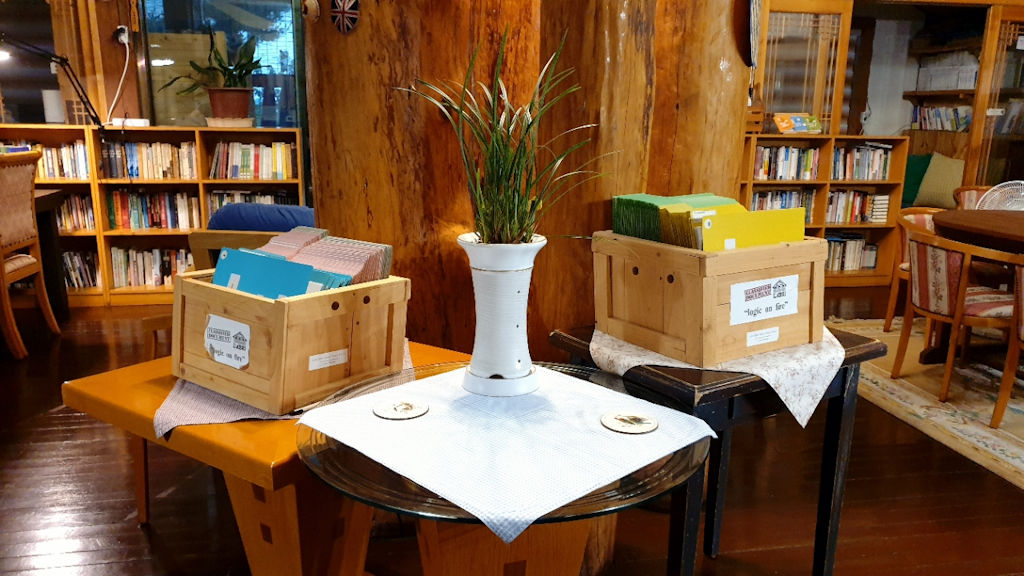
짧은 글들을 모은 아티클 박스 ‘LOGIC ON FIRE’
사랑하는 기도 가족에게 올립니다.
주님 안에서 평안하십니까? 급하게 편지를 쓰느라 사실과 다르거나, 설명이 부족한 이야기가 많아서 수정해서 보내게 되어 죄송합니다.
어제는 라브리 뒷마당에 있는 자두를 땄습니다. 알도 잘고 많이 열리지는 않았지만, 자두 맛은 여전했습니다. 라브리가 양양으로 이사한 지 2년 후인 2003년, 종철, 진숙 간사 부부가 아들 출생 기념으로 심은 나무인데, 그때만 해도 저는 이렇게 오랫동안 맛있는 자두를 먹을 수 있을 줄은 몰랐습니다. 오랜만에 그 부부와 함께 저녁을 먹으며 자두가 많이 열리지 않은 이유에 대해 여러 가지 이야기를 나누었습니다.
우선 자두나무 수령 24년이면 노목기에 접어들었습니다. 최근에는 둥치 껍질이 조금씩 갈라지고 있고, 세월이 흐르며 가지도 많이 부러지고 상처도 많이 입었습니다. 결정적으로는 봄에 전지하는 것을 잊어버려서 영양분이 새순으로 너무 많이 분산되었습니다. 마당 시멘트 때문에 수분 공급이 제대로 안 된 것이 아닌가도 의심하였으나, 배수로가 근방에 있어 그것은 원인이 아니라고 생각합니다.
자두나무와 같이, 저희 부부도 하루가 다르게 늙어가고 있습니다. 평생 감기, 몸살을 모르던 제 아내는 폐암을 앓았고 저도 눈과 발이 아픕니다. 세월이 흐르며 몸과 마음이 부러지거나 상처를 더 많이 입겠지요? 네덜란드 라브리의 빔 리트께르크 전 회장이 말했듯이, “모든 사람들이 떠나는 마지막 여행”을 시작한 것이라 할 수 있습니다. 세상에서 가장 화려한 인생을 살았던 솔로몬 왕도 마지막 노화 여행을 거스를 수는 없었든지 전도서에 그 지혜를 남겨놓았습니다.
- 늙어서 아프기 전에 하나님을 잘 믿으라: “너는 청년의 때에 너의 창조주를 기억하라 곧 곤고한 날이 이르기 전에, 나는 아무 낙이 없다고 할 해들이 가깝기 전에.”(12:1)라는 말씀은, 늙어서 고난과 무기력을 맛보기 전에, 젊을 때 창조주 하나님을 기억하라는 말입니다.
- 기력이 쇠하고 판단력이 흐려진다: “해와 달과 별들”(12:2)이 ‘빛’, ‘기력’, ‘생기’, ‘활기’를 상징한다고 한다면, 나이가 들면 기력이 쇠하고 순발력이 늦어지고 활동력이 줄어줄고 판단력이 흐려지는 것은 당연합니다. 때로는 “비 온 후에 구름이 다시 일 듯이” (12:2), 어려운 일이 하나가 끝나면 다른 하나가 시작되는 연속적인 위기를 맞이하게 됩니다.
- 몸은 집처럼 점차 낡아지고 허물어 갈 것이다: “그런 날에는 집을 지키는 자들이 떨 것이며 힘 있는 자들이 구부러질 것이며 맷돌질 하는 자들이 적으므로 그칠 것이며 창들로 내다 보는 자가 어두워질 것이며”(12:3)라는 말씀은 인간의 몸을 하나의 ‘집’으로 비유하여, 나이가 들면 생명 유지 보조적인 장기들인 손은 “떨리고”, 다리는 “구부러지고”, 눈은 “어두워져서” 점차 조금씩 약해질 것이라는 말입니다. 분산하게 “맷돌질”하며 음식을 준비하는 부엌도 조용해지고, “창문”으로 얼굴을 내밀며 기다리던 가족들도 없습니다.
- 사회 활동을 줄일 수밖에 없어진다: “길거리 문들이 닫혀질 것이며 맷돌 소리가 적어질 것이며 새의 소리로 말미암아 일어날 것이며 음악하는 여자들은 다 쇠하여질 것이며”(12:4)라는 말씀은 세상과 소통하던 “길거리” 문이 닫히고, 음식 짓는 “맷돌 소리”를 듣던 귀도 막히고, 같이 “음악하는” 목소리에도 힘이 빠지게 된다는 말입니다. 누가 막은 것이 아니라, 스스로 바깥 활동을 막게 됩니다.
- 지위를 얻는 것도 부담이 된다: “또한 그런 자들은 높은 곳을 두려워할 것이며 길에서는 놀랄 것이며”(12:5)라는 말씀을 볼 때, 청년기에는 높은 곳을 정복하고 길 위를 거침없이 달렸지만, 늙으면 “높은 곳”을 오르는 것도 두렵고, 평소에 잘 다니던 “길에서”도 마음이 위축이 됩니다. 신체적인 기력이 쇠퇴하면 심리적 불안감도 그만큼 높아진다는 말입니다.
- 아무리 염색을 해도 백발은 막을 수 없고 작은 일도 버거워진다: “살구나무에 꽃”이 피듯이 염색을 해도 백발을 막을 수가 없고, “메뚜기”같이 가벼운 짐도 버거워집니다. (12:5) 사람에 따라 노화를 조금 늦게 시작하는 사람들이 있기는 해도 노화 자체를 피할 수는 없습니다.
- 결국에는 그릇이 깨지듯이 죽음을 직면하게 된다: “은 줄이 풀리고 금 그릇이 깨지고, 항아리가 샘 곁에서 깨지고 바퀴가 우물 위에서 깨지고”라는 말씀처럼, 그렇게도 귀하게 매일 일하던 생명 유지 핵심 장기들이 멈추게 되고, 몸은 흙에서 왔으니 “다시 흙으로 돌아가고”, 영혼은 생명의 근원이신 “하나님께로” 돌아가고 부활을 기다리게 됩니다.(12:6).
솔로몬 왕이 인생의 처절한 ‘허무(vanity)’ 와 ‘부조리(absurdity)’를 거짓말을 하지 않고 노래한 이유는, 늙어가는 것을 비하하거나 희롱하려는 것이 아니라, 하나님을 불신하고 범죄한 인생의 늙어가는 과정을 있는 그대로 담백하게 묘사한 것입니다. 특히 사람의 정신적, 육체적 상태가 매우 점진적으로 그리고 장기적인 시간에 걸쳐 조금씩 노화되어 간다는 것을 일상적인 비유로 묘사한 것입니다.
비록 몸과 마음이 점차 늙어가지만, 노화의 여행을 아름답게 받아들이고 오직 전능하시고 인격적인 하나님에게 영생하는 생명과 진정한 소망을 가지는 것이 좋습니다. 이상기 목사의 설교처럼, “하나님으로 시작한 이야기가 (전도서 12:1), 하나님으로 끝납니다. (12:7). 길든 짧든 우리 인생은 하나님 안에 놓여져 있고, 결국 창조주에게로 돌아갑니다.” 네덜란드 라브리의 빔 리트께르크 전 회장은 그의 <마지막 항해-나이 듦의 기술, Life’s Destiny: The Art of Growing Older> (한국 라브리에서 번역 출판 준비 중)라는 책에서, “나이 듦의 기술은 우리가 최종 목적지를 향해 잘 걸어가고 있다는 지지와 격려를 받으며, 항해와 방향을 잘 조종하는 것이 중요하다.”라고 말했습니다. 여러분은 항해의 기술을 갖고 있습니까?
항암 치료 후에 약 6개월 동안이 재발 위험이 가장 큰 기간이라는 말이 있어서, 제 아내를 위해 예약한 손님들만 도우려고 했으나, 제 아내가 택한 항해 기술 중의 하나는 사람들을 피해서 혼자 조용히 있는 것보다, 찾아오는 손님들을 따뜻이 맞이하되 피곤하면 양해를 구하자는 것이었습니다. 매우 어려운 기술을 선택한 것입니다. 그러나 주님께서 그 마음을 귀하게 여기셨는지 지난 두 달 동안 꼭 와야 하는 학생들과 손님들을 보내주셨습니다. 뜻밖에 반가운 친구들도 찾아왔고, 낯선 손님들도 많이 다녀갔지만, 기도가 필요한 청년들과 학생들 이야기를 조금만 들려드리겠습니다.
먼저 서울 온누리교회 한마음공동체에서 형제 8명이 다녀갔습니다. 인솔자인 관형 형제가 ‘거라사 광인 치유 사건을 통해 본 현대 교회의 정신건강 돌봄 연구’라는 주제로 발표했습니다. 몇 년째 온누리교회 형제들이 올 때마다 휴가를 내고 와서 섬기는 저의 막내 아들 의진이는 맛있는 식사를 대접한 후에 ‘빌런 사랑하기’라는 주제를 발표했습니다. 둘 다 좋은 반응을 얻었습니다. 성경도 같이 읽고, 일도 하고, 개인 상담을 받고 돌아갔습니다.
그 후에는 높은뜻 씨앗학교와 별무리학교 고등학생들이 다녀갔습니다. 고1 (10학년) 학생들이 도착하는 날은 마침 라브리를 돕던 한 부부의 모친 장례식이 겹치게 되었는데, 학생들은 라브리에 도착하자마자 수목장 장례에 참여하여 다른 사람의 아픔을 같이 경험했고, 홀로 장례를 치를 뻔했던 그 부부에게는 큰 위로가 되었습니다. 예상하지 않았지만, 죽음과 부활에 대한 좋은 교육이 되었습니다. 첫날의 경험이 도움이 되었는지, 학생들의 질문은 매우 정직하고 날카로웠고, 성경 읽기 시간과 토론 시간에도 적극적이었습니다. 라브리에서 듣고 경험한 복음이 그들의 영혼 안에서 견고하게 자라나길 기도해 주세요.
고3 학생(12학년)들은 라브리를 방문하기 전부터 “정직한 질문에 대한 정직한 대답”이라는 강의를 부탁할 정도로 문제 의식을 갖고 찾아왔습니다. 아마 최근 들어서 라브리 기둥 밑에 비치한 아티클들을 가장 많이 읽고 간 학생들이 아닌가 생각합니다. 심지어 어떤 학생은 더 많은 토론과 개별 상담 시간을 갖기 위해 일정표를 더 촘촘하게 조정하고 자유 시간을 줄여 달라고 요청하기도 했습니다. 한 학생은 방명록에 “스스로 생각하고 질문하고 답을 찾아가는 과정을 배워갑니다.”라고 적고 갔습니다. 한 학생은 아버지가 폐암으로 투병 중이신데, 어떻게 해드리면 아버지가 좋아하실지를 물었습니다.
대답은 제 아내의 몫이었습니다. “아픈 부모만 아니라 어떤 부모에게라도 자녀가 줄 수 있는 가장 큰 선물은 그리스도 안에 굳게 서는 거예요. 저는 자녀들이 모두 하나님을 믿고 있기 때문에 아무 걱정도 안 되었습니다. 한 가지를 더 들자면, 가족들이 환자의 고통에 참여하면서도 하나님의 나라를 맛보고 즐기며 기뻐하는 것입니다. 힘든 상황이지만, 하나님이 주시는 기쁨, 즐거움, 사랑 등을 나누며 하나님의 나라를 소망하는 것이지요.”
학생들을 도우며 은근히 즐기는 분은 저희 부부와 혜진이 외에도 봄부터 연구원으로 일하는 성준, 미라 부부입니다. 두 분은 학생들의 입맛에 맞는 음식 대접은 물론이고, 학생들의 발표 시간에 참석하여 대답하기도 하고, 일하는 시간에는 학생들에게 맞는 일거리를 찾아주고, 성경 읽기 시간에는 전공인 성경 언어를 풀어주는 등 큰 도움을 주고 있습니다. 성준은 빛으로교회 목회와 라브리 사역을, 미라는 인근 초등학교 음악 수업과 라브리 사역을 함께 하고 있어서 지혜와 균형이 필요합니다.
- 대단히 죄송하게도, 6월 18~20일에 있을 창조론과 진화론 세미나 (강사: 양승훈, 신국원, 유경상, 김도훈, 김정일; 필드 트립: 6월 19일)는 강사들의 사정으로 가을로 연기되었습니다. 속초 남지방감리교회 교사세미나도 가을로 연기되었습니다.
- 6월 29일~7월 18일 여름 합숙 학기는 예정대로 운영합니다. 임구영 박사 (치과의사, 7월 4일), 박성준 목사 (라브리 연구원, 7월 11일), 성인경 (라브리 대표)이 강의를 합니다.
- 7월 27일~8월 1일 북위크: C. S. 루이스의 <스크루테이프의 편지> 읽고 나누기 (모임장: 정인영)은 등록을 기다리고 있습니다. 여름학기, 북위크, 가을학기에 방문하고 싶으신 분은 라브리 웹사이트 혹은 링크를 이용해 등록신청서를 작성하시면 됩니다.
기도를 부탁드립니다.
- 라브리를 방문한 학생들이 열심히 땀 흘리며 공부하고 연단을 잘 받아, 나중에 하나님의 나라와 우리 나라를 위해 쓰임을 받을 수 있도록, 실력과 인성을 균형 있게 갖춘 인재들이 되도록 기도해 주세요. 학생들만 아니라, 교사들과 부모님들을 위해서도 기도해 주시기 바랍니다.
- 온 국민들을 놀라고 화나게 한 투표용지 부족 사태로 인한 논란이 정쟁으로 끝나지 않고, 선거제도와 중앙선거관리위원회의 개혁으로 열매 맺도록 기도해 주시기를 바랍니다.
- 간사 숙소인 백암당 (구 화장실, 17평)이 비좁아서 간사들도 일하기 힘들고 손님들도 매우 불편하여, 부엌을 포함하여 증축하고자 하오니 기도를 부탁드립니다. 가능하면 30년 이상이 된 지붕 슁글도 교체하고 싶습니다. 현재까지 화재 보험 환급금을 포함하여 2,600만 원이 모였습니다.
- 여름 학기에는 더운 날씨에도 청년 대학생들이 며칠 혹은 3주간 합숙 공부를 합니다. 합숙 공부가 끝나면, 한 주 동안 정인영 선생님을 좌장으로 C. S. 루이스의 <스크루테이프의 편지>를 같이 읽으려고 하오니, 사탄의 계략을 대비하고 싶은 사람들이 와서 공부할 수 있도록 기도해 주시기 바랍니다.
- 이번 여름에 같이 땀흘릴 사람들은 경옥, 혜진을 비롯하여, 성준과 미라 연구원과 대학원생 중희와 소리 부부, 그리고 대학생인 채은입니다. 모두 더위 속에서도 찾아오는 손님들을 위해 식사 준비, 빨래, 숙소 관리, 개인 지도 등을 잘할 수 있도록 기도해 주시기를 바랍니다.
- 특히 외국인 손님들과 한국인 손님들이 언어와 마음의 장벽을 뛰어넘어 예수님의 사랑과 진리 안에서 잘 어울릴 수 있도록 기도해 주십시오.
늘 기도와 헌금에 감사드리며,
2026년 6월 18일
인경 올림